
The Corporate Events Calendar: When to Plan Your Next Company Event
Planning a corporate event in London requires more than locking in a venue and sending invitations. The capital dances to its own rhythm and is shaped by global events, cultural moments, transport pressures and seasonal demand. Understanding the events calendar can be the difference between a smooth, cost-effective production and a last-minute scramble.
An Overview of the Year
Planning a successful corporate event is about much more than choosing a venue and sending invitations. Timing plays a major role in attendance, engagement and overall impact.
At Story Events, we’ve spent over a decade producing corporate events across the UK, from conferences and leadership retreats to immersive team-building experiences and large-scale celebrations. One thing we’ve consistently seen is that different times of year naturally suit different types of events.
Understanding the rhythm of the corporate calendar can help you plan events that align with business goals, team impact and seasonal opportunities. In this guide, we break down the year month by month to help you decide when the best time is to host your next corporate event.
January – Kick-Off Events and Strategy Sessions
January is the natural starting point of the business calendar. After the festive break, many organisations are focused on goal setting, strategy and alignment.
This makes January ideal for:
- Company kick-off meetings
- Leadership strategy days
- Internal conferences
- Sales team launches
These events are often designed to energise teams and set the tone for the year ahead. We frequently see businesses using this period to bring teams together after remote working periods or the holiday break.
Kick-off events work best when they combine clear messaging with engaging experiences, helping employees reconnect with company purpose and direction.
February – Team Building and Engagement
By February, teams have settled back into work routines and companies begin focusing on employee engagement and collaboration.
This month works well for:
- Team-building experiences
- Department away days
- Skills workshops
- Creative problem-solving events
Shorter days and colder weather also make indoor activity-led experiences particularly popular during this period.
Many companies use this time to strengthen relationships within teams before the year becomes busier.
March – Conferences and Networking Events
Spring marks the start of conference season for many industries.
March is ideal for:
- Industry conferences or exhibitions
- Thought leadership events
- Product showcases
- Networking events
The energy of spring often brings renewed enthusiasm for collaboration and learning, making it a strong time for knowledge-sharing events.
From our experience producing corporate conferences, organisations increasingly look to combine content with experience. Blending inspirational speakers, workshops and interactive elements that keep audiences engaged throughout the day.
April – Product Launches and Brand Experiences
April is often a strong month for brand and product events.
With longer days and improving weather, it’s a good time for:
- Product launches
- Client hospitality events
- Experiential marketing activations
- Creative brand experiences
Many companies use this time to build momentum for new campaigns or product releases, often inviting clients, partners or media to immersive launch events.
Experience-led events, where guests actively participate rather than simply observe, have become particularly popular in recent years.
May – Client Events and Networking
May sits in a sweet spot within the corporate calendar.
The weather is improving, holidays are still limited, and business momentum is strong. As a result, this month works particularly well for:
- Client appreciation events with the beginning of summer parties
- Networking evenings
- Hospitality experiences
- Industry gatherings
These events are often designed to strengthen relationships and create more informal environments for conversation and connection.
We’ve seen many organisations using activity-led venues or interactive formats to encourage natural networking between guests.
June – Summer Party Season Begins
June marks the beginning of summer event season.
Companies often take advantage of longer evenings and outdoor venues for:
- Summer parties
- Company celebratins
- Outdoor team-building events
- Festivals and themed experiences
Summer events are often less formal and focus on celebration, connection and shared experiences. Companies often use this opportunity to escape the hustle and bustle of the city and escape to venues outside of London.
From rooftop parties to outdoor games and immersive themed events, this period is one of the most popular times of year for corporate social events.
July – Team Away Days and Retreats
July is one of the most popular months for team away days and company retreats.
Typical events include:
- Offsite strategy sessions
- Team retreats
- Outdoor team-building challenges
- Leadership development days
Many organisations use this time to bring teams out of the office and into new environments where creativity, collaboration and big-picture thinking can flourish.
Away days often combine structured workshops with social activities, creating a balance between productivity and team bonding.
August – Smaller Gatherings and Creative Experiences
August tends to be quieter in the corporate events world due to holidays. However, it can be an excellent opportunity for smaller, more creative experiences.
This month works well for:
- Department social events
- Creative workshops
- Informal networking gatherings
- Planning sessions for autumn events
Because demand for venues is often lower, companies can sometimes secure unique spaces or experiences that may be harder to book during busier periods.
September – Peak Conference Season
September is one of the busiest months in the corporate events calendar.
Teams return from summer holidays refreshed and ready to engage, making it ideal for:
- Corporate conferences
- Industry summits
- Leadership events
- Training days
Many organisations use September to reconnect teams and share strategic updates as they head into the final quarter of the year.
Large-scale conferences and internal company events are particularly common during this period.
October – Networking and Thought Leadership
October continues the momentum of conference season and is a strong month for professional networking and thought leadership events.
Popular formats include:
- Panel discussions
- Speaker events
- Industry roundtables
- Client networking evenings
As businesses start planning for the following year, these events often focus on sharing insights, exploring trends and building professional connections.
November – Awards and Celebrations
November often signals the beginning of the festive season within corporate events.
It’s a popular time for:
- Awards ceremonies
- Client celebrations
- End-of-year gatherings
- Company milestone events
These events celebrate achievements across the year and recognise teams or individuals who have contributed to company success.
Awards evenings in particular have become increasingly creative, with immersive themes and experiential entertainment helping create memorable moments.
December – Christmas Parties and End-of-Year Events
December is synonymous with corporate Christmas parties and festive celebrations.
Popular events include:
- Company Christmas parties
- Festive client events
- End-of-year team celebrations
- Charity fundraising events
For many organisations, this is the biggest social event of the year, a chance to thank employees, celebrate achievements and bring teams together before the holiday break.
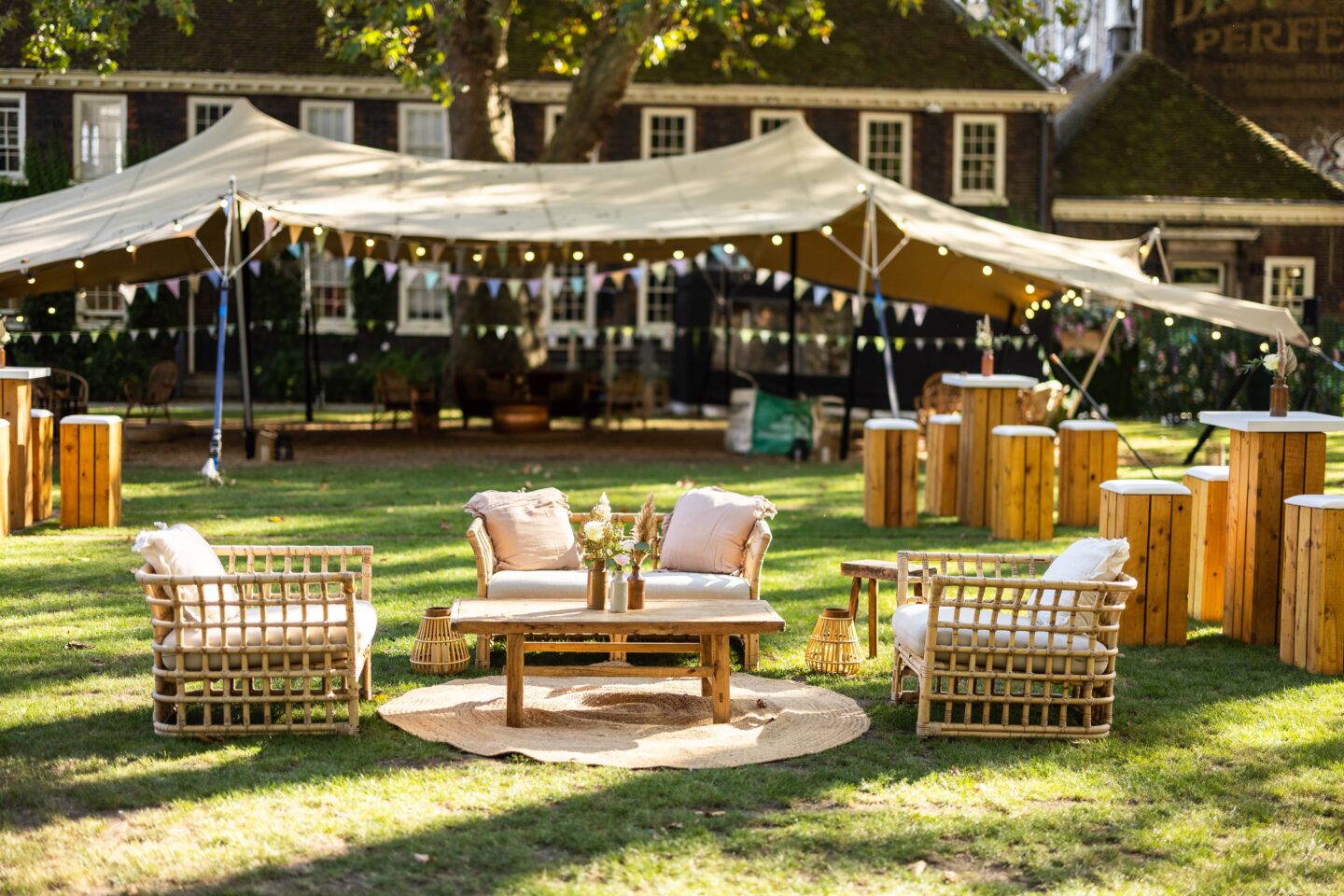
Because December venues book quickly, planning often begins six to twelve months in advance. However, if you are willing to opt for less popular dates, such as a Monday, you may well be able to book a more popular venue at a reduced rate and with a shorter lead time.
When Should You Start Planning Corporate Events?
One of the most common challenges companies face is leaving event planning too late.
Based on our experience delivering corporate events across the UK, we recommend starting planning roughly:
- Christmas parties: 6–12 months ahead especially if you have a set date
- Summer parties: 4–6 months ahead
- Conferences: 6 months minimum
- Award Ceremonies: 6 – 9 months ahead
- Team away days: 3–4 months ahead
Early planning helps secure the best venues, speakers and entertainment while giving time to design a more engaging experience for your guests, ensuring that your objectives for hosting your event are hit, delivering that all important ROI to your stakeholders.
Don’t forget these key dates…
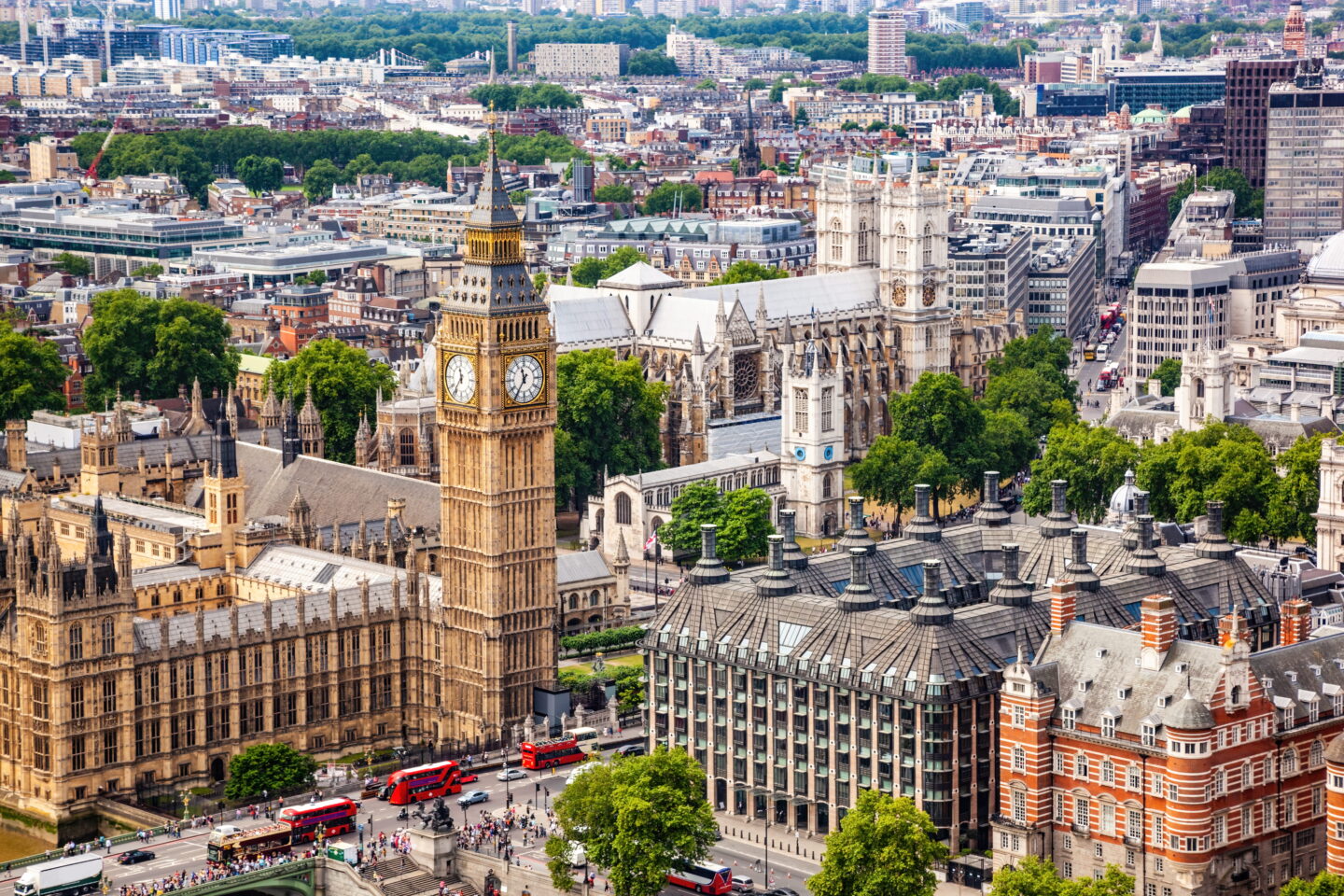
Events happening elsewhere in the city can have a big impact on your event. Here’s some London Events in 2026 and how they could impact your planning
London Marathon (April)
→ Central London road closures, hotel price surges, venue access issues
Chelsea Flower Show (May)
→ High demand in West London, premium hospitality audiences in town
Wimbledon (late June–July)
→ Corporate entertaining, sponsor activations, hospitality demand
London Fashion Week (Feb & Sept)
→ Venue competition, AV shortages
Frieze London (October 2026)
→ High-end brand events, private dinners, collector and luxury audiences
Additional tip – Keep in mind the bank holidays and school holidays, where you’ll likely find increased venue availability however, increased hotel demand and also possible transport disruption.
Turning Events Into Experiences
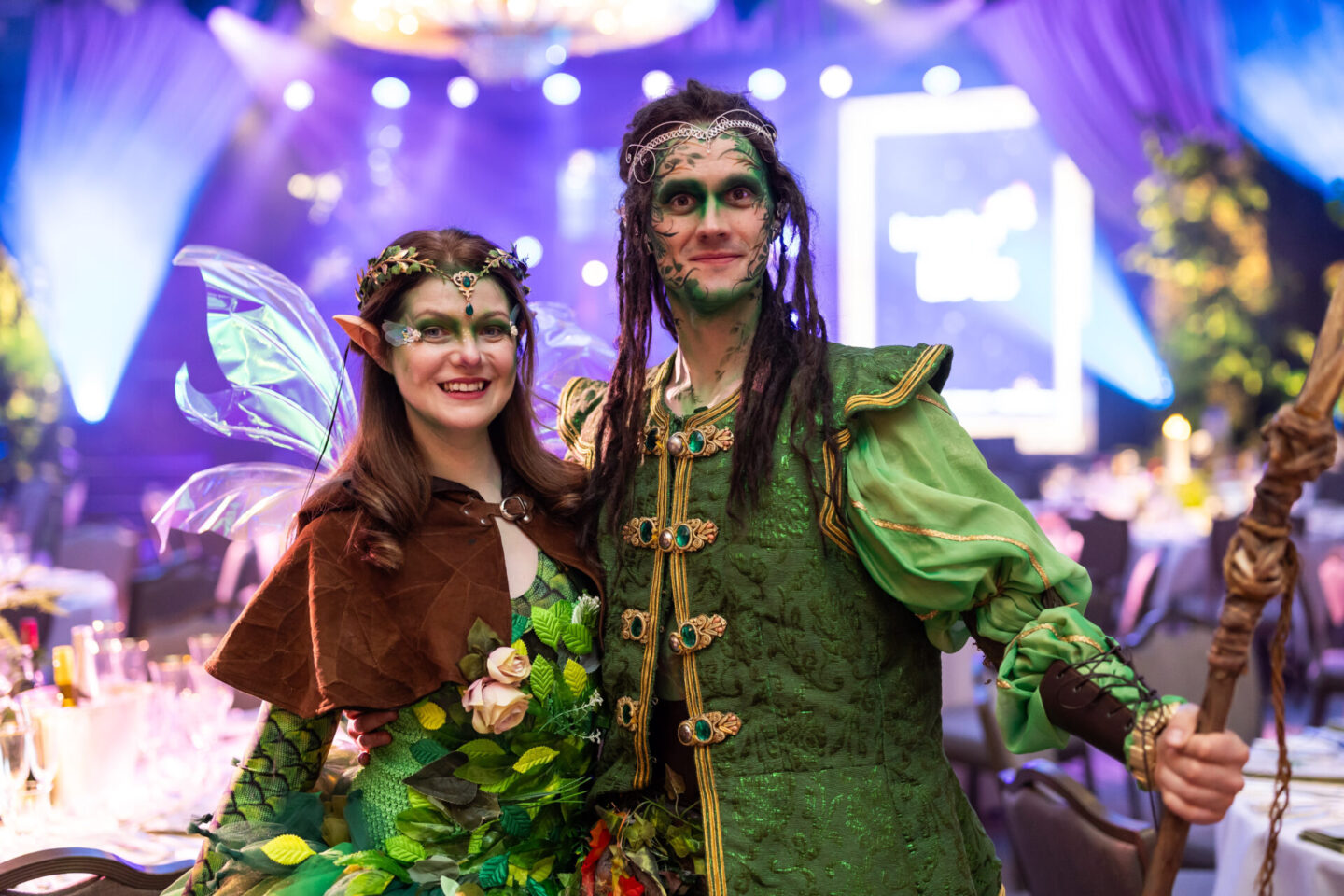
Corporate events have evolved significantly in recent years. Organisations increasingly want events that are interactive, memorable and experience-led rather than traditional gatherings.
The most successful events today often include:
- Immersive themes
- Interactive activities
- Creative venues
- Entertainment and storytelling elements
Ultimately, the goal is to create an environment where people feel energised, inspired and connected.

Planning Your Next Corporate Event
Every corporate event has a story behind it, whether it’s bringing teams together, celebrating achievements or launching something new.
Use these insights as your planning runway. Before the year gathers pace, define your non-negotiables: does your event need to take place on a specific date? Are there venues that perfectly reflect your brand ambitions that you simply can’t afford to miss out on?
Partnering with an end-to-end agency like Story Events helps build the strategy around your event and deliver ROI. We understand when to move, where to flex, and how London’s wider calendar impacts everything from venue access to AV availability and guest experience. From concept and creative to production, supplier management and on-site delivery, we connect the dots across the so you don’t have to.
If your event brief is already taking shape in your mind, now is the time to start the conversation and secure the dates, spaces and partners that will make your event exceptional.